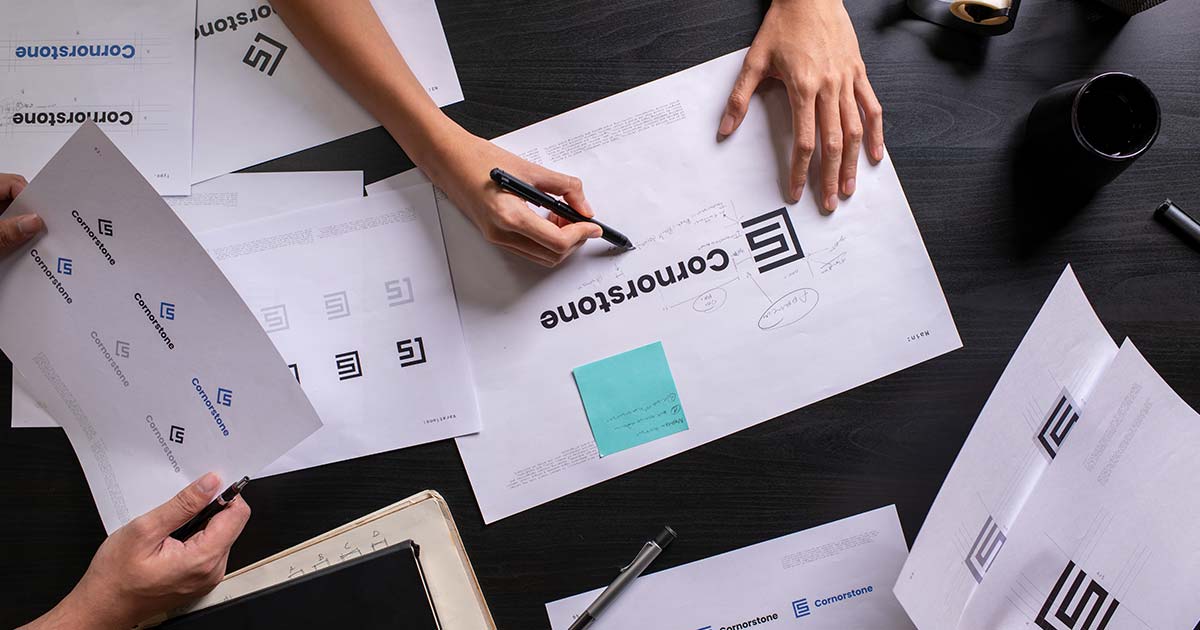
You’ve built your business. You have a solid plan, clear processes, and a financial roadmap. Now comes the part that makes your business recognizable, memorable, and trusted: your identity.
But what exactly is corporate identity? How is it different from corporate image? And what about branding? These terms are often used interchangeably, but they mean different things—and understanding the difference is essential to building a business that stands for something.
In this article, I explain corporate identity, corporate image, and branding—how they differ, how they connect, and why getting them right matters.
📌 What Is Corporate Identity?
Corporate identity is who you really are. It’s the DNA of your business—the core elements that make your company unique and recognizable.
| Element | Description |
|---|---|
| Visual identity | Logo, colors, typography, design system |
| Verbal identity | Tone of voice, messaging, vocabulary |
| Values and mission | What you stand for and why you exist |
| Culture | How your team thinks and acts |
| Behavior | How you treat customers, employees, and partners |
💡 Your corporate identity is what you control. It’s the foundation you build intentionally.
🧾 What Is Corporate Image?
Corporate image is how others see you. It’s the perception that customers, employees, investors, and the public have of your company.
| Factor | Description |
|---|---|
| Reputation | What people say about you |
| Perception | What people think of you |
| Experience | What people feel when interacting with you |
| External view | How the world interprets your identity |
💡 Your corporate image is what others perceive. You influence it, but you don’t control it completely.
📊 What Is Branding?
Branding is the active process of shaping both your identity and your image. It’s the bridge between who you are and how you’re perceived.
| Activity | Purpose |
|---|---|
| Defining identity | Deciding who you want to be |
| Communicating consistently | Sending clear, aligned messages |
| Delivering experiences | Meeting (or exceeding) expectations |
| Building relationships | Creating trust and loyalty |
| Managing reputation | Responding to feedback and perceptions |
💡 Branding is the ongoing work of aligning who you are with how you’re seen.
📋 The Relationship Explained
Think of it this way:
| Concept | Analogy |
|---|---|
| Corporate Identity | Who you are (your character) |
| Corporate Image | How others see you (your reputation) |
| Branding | The work of aligning the two (your actions) |
If you’re a person:
- Identity is your values, personality, and how you act when no one is watching
- Image is what others think of you based on what they see and experience
- Branding is the effort to ensure that what others see reflects who you truly are
💡 When identity and image are aligned, you have a strong brand. When they’re misaligned, you have a credibility problem.
🏢 What Makes Up Corporate Identity?
Your corporate identity is built on several layers:
1. Visual Identity
The visual elements that make your business recognizable.
| Element | Examples |
|---|---|
| Logo | Symbol, wordmark, combination mark |
| Color palette | Primary colors, secondary colors, accents |
| Typography | Fonts for headings, body text, print materials |
| Imagery | Photography style, illustrations, icons |
| Design system | Layouts, templates, consistent patterns |
💡 Visual identity is what people see first. It creates the first impression.
2. Verbal Identity
The words and tone you use to communicate.
| Element | Examples |
|---|---|
| Tone of voice | Formal, casual, friendly, authoritative, empathetic |
| Vocabulary | Industry terms, simple language, specific phrases |
| Messaging | Key messages, value propositions, taglines |
| Story | Origin story, purpose, vision |
💡 Verbal identity is how you sound. It reveals your personality.
3. Values and Mission
The principles that guide your decisions.
| Element | Description |
|---|---|
| Mission | Why you exist—your purpose |
| Vision | Where you’re going—your aspiration |
| Values | What you stand for—your principles |
| Culture | How you work—your internal environment |
💡 Values are not decoration. They’re the compass for every decision.
4. Behavior
How you act in the world.
| Element | Examples |
|---|---|
| Customer service | How you treat people when things go wrong |
| Employee treatment | How you treat your team |
| Quality standards | What you deliver |
| Integrity | Whether you keep your promises |
💡 Behavior is the ultimate proof of identity. Anyone can say who they are. Actions reveal it.
📊 Corporate Identity vs. Corporate Image vs. Branding
| Aspect | Identity | Image | Branding |
|---|---|---|---|
| What it is | Who you are | How others see you | The process of alignment |
| Who controls it | You (fully) | Others (partially) | You (through actions) |
| Where it lives | Inside the company | In customers’ minds | In actions and communication |
| Stability | Relatively stable | Can shift quickly | Ongoing work |
| Key question | Who are we? | What do others think? | How do we align the two? |
💡 Identity is the foundation. Image is the reflection. Branding is the work to keep the reflection true to the foundation.
📋 Why the Difference Matters
When Identity and Image Align
- Customers trust you
- Employees believe in you
- Your message is clear
- Your reputation is consistent
- You attract the right people
When Identity and Image Misalign
- Customers are confused
- Promises feel empty
- Reputation suffers
- Good employees leave
- You attract the wrong people
💡 Misalignment between identity and image is the source of most brand problems.
🎯 How to Build Your Corporate Identity
Step 1: Define Who You Are
Start with the internal work:
- What is our mission? Why do we exist?
- What are our core values? What won’t we compromise?
- What makes us different? What do we do that no one else does?
- What personality do we want to project?
Step 2: Create Your Visual Identity
Translate your identity into visual form:
- Design a logo that reflects your personality
- Choose colors that convey your values
- Select typography that matches your tone
- Create templates for consistent use
Step 3: Establish Your Verbal Identity
Define how you’ll sound:
- Develop your tone of voice guidelines
- Create key messages for different audiences
- Write your story clearly
- Train your team on how to communicate
Step 4: Live Your Identity
Align behavior with identity:
- Make decisions based on your values
- Deliver on your promises
- Treat customers and employees accordingly
- Be consistent across all touchpoints
Step 5: Monitor Your Image
Listen to how others perceive you:
- Ask for feedback from customers
- Read reviews and comments
- Monitor what people say about you
- Pay attention to employee sentiment
Step 6: Bridge the Gaps
Where identity and image differ, take action:
- If people misunderstand you, clarify your communication
- If you’re not delivering, improve your operations
- If you’re inconsistent, align your team
- If you’ve changed, update your identity
💡 Building a corporate identity is not a one-time project. It’s an ongoing practice of knowing yourself and acting accordingly.
📚 Useful Internal Links
- Business Organization: Structuring Your Company for Success
- Work Processes and Protocols
- Communication: The Bridge to Organizational Success
- Human Resources: The Heart of Your Business
✅ Conclusion
Corporate identity is who you are. Corporate image is how others see you. Branding is the work of aligning the two.
When you know who you are, you can communicate clearly, act consistently, and build trust over time. When your identity and image are aligned, you don’t just have a recognizable business—you have a business that means something.
Remember:
- Identity is internal and intentional
- Image is external and perceived
- Branding is the bridge between them
- Visual and verbal elements express your identity
- Behavior proves it
- Alignment builds trust
Start with who you are. Let everything else follow.
Know yourself. Be yourself. Let the world see it.