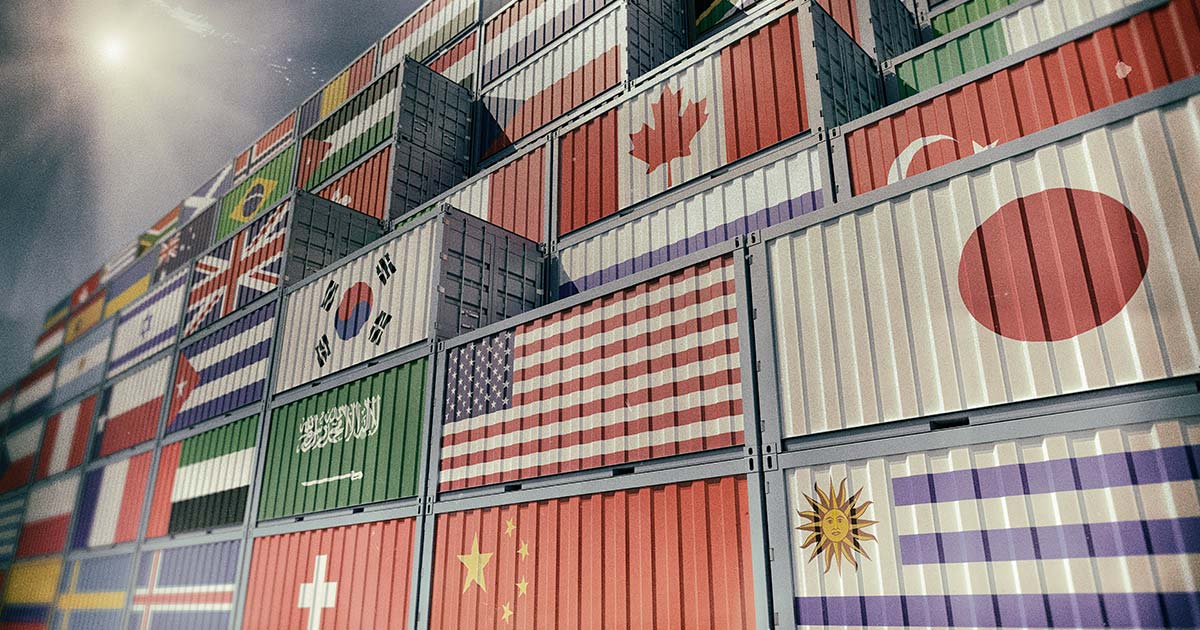
Expanding beyond domestic borders is one of the most ambitious growth strategies a business can pursue. Internationalization opens access to new markets, diversifies revenue streams, and builds global brand presence. But it also introduces complexity: cultural differences, regulatory requirements, currency fluctuations, and operational challenges.
Successful international expansion requires careful planning, market research, and a clear entry strategy. This guide covers the key considerations for taking a business global: selecting markets, choosing entry modes, navigating legal requirements, and building operations abroad.
🎯 What Is Internationalization?
Internationalization is the process of expanding a business’s operations beyond its home country into foreign markets. It can range from exporting products to establishing full-scale subsidiaries with local operations.
International expansion is not merely about selling in another country. It involves adapting products, services, and business models to meet local market conditions, regulations, and cultural expectations.
💡 Internationalization is not just about geography. It is about adapting to new markets while maintaining what makes the business successful.
🧭 Why Companies Go Global
Companies pursue international expansion for strategic reasons beyond simply increasing sales.
| Reason | Why It Matters |
|---|---|
| Market Diversification | Reduces dependence on a single economy |
| Growth Opportunities | Access to larger or faster-growing markets |
| Competitive Advantage | First-mover advantage in emerging markets |
| Talent Acquisition | Access to skilled labor and expertise |
| Cost Efficiency | Lower production or operational costs |
| Brand Prestige | Global presence enhances brand perception |
💡 Going global spreads risk. A downturn in one market can be offset by growth in another.
📐 Selecting Target Markets
Not all markets are equally attractive. Choosing the right market is the first critical decision.
Key Factors to Evaluate
| Factor | What to Assess |
|---|---|
| Market Size | Population, GDP, industry growth rates |
| Demand | Is there proven demand for your product or service? |
| Competition | Who operates there? Is the market saturated? |
| Regulatory Environment | Tariffs, trade agreements, foreign ownership restrictions |
| Cultural Fit | Language, business practices, consumer behavior |
| Infrastructure | Logistics, distribution networks, technology adoption |
| Political Stability | Risk of political disruption or policy changes |
Market Prioritization Framework
| Priority | Description |
|---|---|
| High Priority | Large market, strong demand, favorable regulations, cultural alignment |
| Medium Priority | Moderate opportunity with manageable risks |
| Low Priority | Small market, high barriers, or significant uncertainty |
💡 Start with one market. Prove the model before expanding to additional countries.
🚪 Market Entry Strategies
The choice of entry mode determines investment level, risk exposure, and operational control.
| Entry Mode | Description | Investment | Risk | Control |
|---|---|---|---|---|
| Exporting | Sell products from home country to foreign customers | Low | Low | Low |
| Licensing | License intellectual property to local partners | Low | Low | Limited |
| Franchising | License business model to local operators | Medium | Medium | Moderate |
| Joint Venture | Partner with local company to share ownership | Medium-High | Medium | Shared |
| Wholly Owned Subsidiary | Establish fully owned local operation | High | High | Full |
| Acquisition | Acquire an existing local company | High | High | Full |
Choosing the Right Entry Mode
| Business Type | Recommended Entry Mode |
|---|---|
| Product-based, low investment | Exporting, licensing |
| Service-based, replicable model | Franchising, joint venture |
| High control requirements | Wholly owned subsidiary, acquisition |
| High-risk markets | Joint venture, licensing |
| Proven brand with capital | Wholly owned subsidiary, acquisition |
💡 Start with lower-risk entry modes to test the market. Increase commitment as confidence grows.
📋 Legal and Regulatory Considerations
International expansion introduces layers of legal complexity that do not exist in domestic operations.
Key Legal Areas
| Area | What to Address |
|---|---|
| Corporate Structure | Local entity formation (subsidiary, branch, representative office) |
| Taxation | Corporate tax rates, withholding taxes, transfer pricing, double taxation treaties |
| Employment Law | Local labor laws, contracts, benefits, termination requirements |
| Intellectual Property | Trademark registration, patent protection, enforcement |
| Import/Export Regulations | Tariffs, customs, trade restrictions, documentation |
| Data Privacy | Local data protection laws (GDPR in Europe, similar regulations elsewhere) |
Common Pitfalls
| Pitfall | Why It Hurts |
|---|---|
| Assuming home-country practices apply | Local laws may differ significantly |
| Ignoring tax implications | Unexpected tax liabilities can erode profits |
| Poor IP protection | Brand or technology may be copied without local registration |
💡 Engage local legal and tax advisors early. Local expertise is essential for navigating regulatory complexity.
🌍 Cultural and Operational Adaptation
Success in international markets requires adapting to local culture and business practices.
Cultural Considerations
| Aspect | What to Adapt |
|---|---|
| Language | Marketing materials, websites, customer support in local language |
| Business Etiquette | Meeting protocols, negotiation styles, relationship building |
| Consumer Behavior | Product preferences, pricing sensitivity, buying habits |
| Marketing | Messaging, imagery, channels, and platforms |
Operational Considerations
| Aspect | What to Adapt |
|---|---|
| Supply Chain | Local suppliers, distribution partners, logistics |
| Pricing | Local purchasing power, competitive landscape, currency |
| Customer Support | Local language support, time zone coverage |
| Product Adaptation | Modifications for local regulations, preferences, or infrastructure |
💡 Adaptation does not mean abandoning your brand identity. It means making your offering relevant and accessible to local customers.
💰 Financing International Expansion
International expansion requires capital. Several funding sources are available.
| Source | Description |
|---|---|
| Retained Earnings | Profits from domestic operations |
| Export Financing | Government programs supporting exporters |
| International Banks | Multinational banks with local presence |
| Development Finance Institutions | IFC, IDB, or regional development banks |
| Private Equity | Growth equity focused on international expansion |
| Joint Venture Partners | Shared investment with local partners |
💡 Match financing to the entry mode. Lower-risk modes can be self-funded. Higher-risk entries may require external capital.
📊 Risks of International Expansion
International expansion introduces risks not present in domestic operations.
| Risk | Description | Mitigation |
|---|---|---|
| Currency Fluctuation | Exchange rate changes impact profits | Hedging, local currency revenue |
| Political Risk | Government instability, policy changes | Political risk insurance, diversified markets |
| Regulatory Changes | Sudden shifts in laws or tariffs | Local legal counsel, flexible structures |
| Operational Complexity | Managing remote operations | Strong local management, clear reporting |
| Cultural Missteps | Offending local norms or practices | Local advisors, cultural training |
💡 Risk cannot be eliminated, but it can be managed. Diversification across markets reduces exposure to any single risk.
🧭 Building a Global Team
Successful international expansion requires the right people on the ground.
Key Roles
| Role | Responsibility |
|---|---|
| Country Manager | Local leadership, market execution |
| Local Legal & Tax Advisors | Regulatory compliance |
| Sales & Marketing Team | Local customer acquisition |
| Operations Team | Supply chain, logistics, customer support |
Hiring Locally vs. Expatriates
| Approach | Advantages | Disadvantages |
|---|---|---|
| Local Hires | Market knowledge, cultural understanding, established networks | May require training on company culture |
| Expatriates | Company knowledge, cultural alignment, trust | Higher cost, potential cultural gaps, relocation challenges |
💡 A hybrid approach often works best: local leadership supported by expatriate expertise where needed.
📋 International Expansion Checklist
- ☐ I have conducted market research to select the target country
- ☐ I have evaluated market size, demand, competition, and regulatory environment
- ☐ I have chosen an entry mode aligned with my investment capacity and risk tolerance
- ☐ I have engaged local legal and tax advisors
- ☐ I have addressed intellectual property protection in the target market
- ☐ I have adapted marketing, operations, and customer support for local needs
- ☐ I have secured financing for the expansion
- ☐ I have identified risks and developed mitigation strategies
📚 Useful Internal Links
- Branches and Franchises: Two Paths to Business Expansion
- Enterprise Value: Leveraging Your Business for Growth
- Business Expansion: Strategies for Sustainable Growth
✅ Conclusion: Expand with Intention
Internationalization is a significant step that requires careful planning, local expertise, and strategic patience. The rewards—new markets, diversified revenue, and global brand presence—are substantial, but so are the risks.
- Internationalization means adapting to new markets while maintaining core strengths
- Market selection is the first critical decision; start with one country
- Entry modes range from low-risk exporting to high-control subsidiaries
- Legal, tax, and cultural adaptation are essential for success
- Risks can be managed through diversification, local expertise, and careful planning
- Build a strong local team to execute on the ground
Expanding globally opens doors to new opportunities. But success comes from preparation, patience, and a willingness to adapt. Start with one market, learn, and then scale.