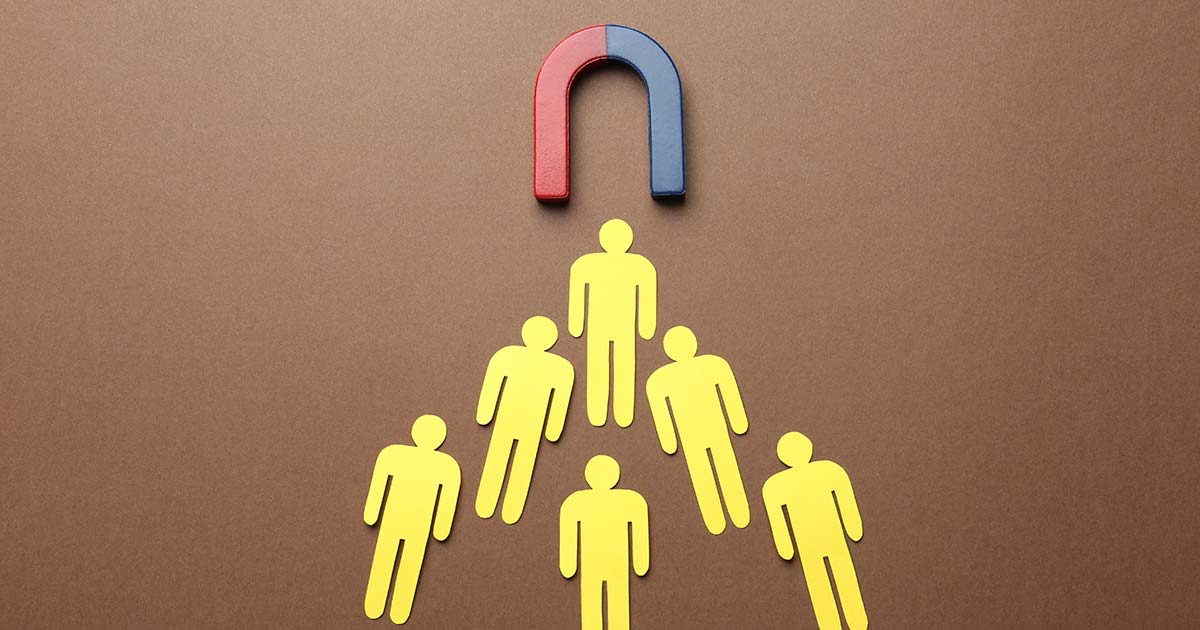
Understanding sales fundamentals is essential for any business owner. You have a product that solves a real problem, you have built a marketing strategy to attract attention, and you have a promotion system to deliver your message. Yet at some point, someone has to buy. That is where a solid grasp of sales fundamentals comes into play.
Sales is the process of turning interest into commitment. It is how you move someone from “this looks interesting” to “I will pay for this.” Without a strong foundation in sales fundamentals, marketing efforts risk becoming storytelling without results.
This guide will cover the essential concepts of sales fundamentals: buyer persona, buyer’s journey, sales cycle, conversion funnel, and sales channels. Together, these concepts form the foundation for building a sales system that works.
🎯 What Are Sales Fundamentals?
Sales fundamentals are the core principles and processes that enable a business to consistently convert interest into revenue. They provide the structure needed to move prospects from initial contact to loyal customers.
Many people confuse sales with marketing. Marketing creates awareness and interest. Sales converts that interest into a transaction. Both are essential, but they serve different roles. Mastering sales fundamentals means understanding how these two functions complement each other.
| Marketing | Sales |
|---|---|
| Attracts attention | Secures commitment |
| Educates and informs | Addresses objections and closes |
| Reaches many people | Engages individuals |
| Builds the brand | Builds the relationship |
💡 Marketing fills the pipeline. Sales closes the deal. Strong sales fundamentals make both work together.
🧍♂️ Buyer Persona: A Core Element of Sales Fundamentals
A buyer persona is a detailed, semi-fictional representation of your ideal customer. Within sales fundamentals, this concept helps you go beyond basic demographics to include motivations, goals, challenges, and decision-making patterns.
Creating a buyer persona helps you:
- Understand what your customer truly wants
- Speak directly to their needs and concerns
- Anticipate objections before they arise
- Tailor your sales approach to their preferences
Elements of a Buyer Persona
| Element | What It Includes |
|---|---|
| Demographics | Age, location, income, job title, industry |
| Goals | What they want to achieve personally or professionally |
| Challenges | Problems they face that your solution addresses |
| Pain Points | Specific frustrations with current alternatives |
| Decision Factors | What influences their buying decisions (price, features, trust, recommendations) |
| Objections | Reasons they might hesitate to buy |
💡 A buyer persona is not a guess. It is built from customer interviews, data analysis, and market research. This is a fundamental part of sales fundamentals. For a practical tool to create detailed buyer personas, HubSpot offers a free “Make My Persona” tool that guides you through the process.
🧭 Buyer’s Journey: Understanding the Customer Path
The buyer’s journey describes the process a customer goes through before making a purchase. Understanding this journey allows you to align your sales efforts with where the customer is emotionally and mentally. Strong sales fundamentals require adapting your approach to each stage.
The buyer’s journey has three stages:
| Stage | What Happens | Customer Question |
|---|---|---|
| Awareness | The customer realizes they have a problem or need | “What is wrong?” |
| Consideration | The customer defines their problem and researches solutions | “What are my options?” |
| Decision | The customer selects a specific solution and provider | “Which one is right for me?” |
💡 Your sales approach should change with each stage. A customer in Awareness needs education, whereas a customer in Decision needs reassurance.
🔄 Sales Cycle: The Three Phases of a Sale
The sales cycle is the structured process you follow to move a prospect from initial contact to closed sale. While every business is different, every sales cycle has three fundamental phases. These phases form the backbone of sales fundamentals.
1. Prospecting
Prospecting involves identifying and connecting with potential customers who fit your buyer persona.
Typical activities include:
- Identifying leads through inbound channels such as your website, content, and referrals
- Conducting outbound outreach like cold calls, emails, and networking
- Qualifying prospects to ensure they are a good fit
Goal: Build a pipeline of qualified opportunities.
2. Closing
Closing focuses on guiding a qualified prospect through the final stages of the buyer’s journey to secure a commitment.
Typical activities include:
- Understanding the prospect’s specific needs
- Presenting your solution as the answer to their problem
- Addressing objections and concerns
- Negotiating terms
- Securing the agreement
Goal: Convert a qualified prospect into a paying customer.
3. Retention
Retention ensures customers remain satisfied, continue using your solution, and become repeat buyers.
Typical activities include:
- Onboarding new customers effectively
- Providing ongoing support and value
- Checking in regularly to ensure satisfaction
- Identifying opportunities for expansion or upsells
Goal: Keep customers engaged and prevent churn.
💡 Prospecting fills the pipeline. Closing converts. Retention keeps the business running. Mastering all three is what strong sales fundamentals look like in practice.
📊 Conversion Funnel: Visualizing the Journey
The conversion funnel is a visual representation of how prospects move through your sales process. It helps you understand where prospects drop off and where to focus your efforts. This tool is essential for refining your sales fundamentals over time.
The funnel consists of four stages:
| Stage | What Happens | Key Question |
|---|---|---|
| Awareness | Potential customers become aware of your product or service | “Do I have a problem, and does this solution exist?” |
| Consideration | Prospects evaluate the product or service against alternatives. They may compare features, prices, and customer reviews to make an informed decision | “Is this the right solution for me?” |
| Conversion | The prospect completes the transaction and becomes an actual customer by purchasing | “What do I need to do to buy?” |
| Loyalty | You turn one-time buyers into repeat customers and brand advocates | “Why should I come back and tell others?” |
At the top, many prospects enter through awareness efforts. As they move through consideration, the number narrows. Fewer reach conversion, and those who convert become customers who then enter the loyalty stage.
Each stage narrows the number of prospects, which is why it is called a funnel. The goal is not to eliminate the narrowing—rather, it is to optimize it so you convert the right customers efficiently and keep them engaged.
Key Funnel Metrics
| Metric | What It Measures |
|---|---|
| Conversion Rate | Percentage of prospects moving from one stage to the next |
| Drop-off Rate | Percentage leaving at each stage |
| Time in Stage | How long prospects take to move through each phase |
| Cost per Acquisition | Total sales cost divided by number of new customers |
💡 A healthy funnel has clear metrics at each stage. You cannot improve what you do not measure.
📡 Sales Channels: Where You Sell
Sales channels are the methods and platforms you use to reach and engage prospects. Different channels work for different businesses, audiences, and price points. Choosing the right channel is another critical aspect of sales fundamentals.
| Channel | Description | Best For |
|---|---|---|
| Direct Sales | One-on-one interactions (in-person, phone, video calls) | High-ticket, complex solutions requiring trust |
| Inside Sales | Remote sales conducted by a dedicated team | B2B, mid-ticket, structured processes |
| E-commerce | Online store where customers purchase directly | Low-ticket, self-service, high volume |
| Retail | Physical stores or partnerships with retailers | Consumer goods, impulse purchases |
| Channel Partners | Resellers, affiliates, or distributors who sell for you | Scaling reach without building a large sales team |
| Self-Service | Customers sign up or purchase without human interaction | SaaS, subscriptions, low-complexity products |
💡 Your sales channel should match your price point and customer preference. High-ticket solutions often require direct sales, whereas low-ticket solutions work best with self-service or e-commerce.
🧭 How Prospecting, Closing, and Retention Work Together
These three phases are not independent. Instead, they form a cohesive system that represents the essence of sales fundamentals.
| Phase | Purpose | Without It |
|---|---|---|
| Prospecting | Brings new opportunities | No pipeline, no sales |
| Closing | Converts opportunities | Pipeline fills but nothing closes |
| Retention | Keeps customers and generates repeat business | Constant churn, never builds momentum |
A business that only prospects but does not close wastes time. Similarly, a business that closes but does not retain customers spends all its energy replacing lost business. A business that retains but does not prospect eventually runs out of customers.
💡 A healthy sales system balances all three phases. Prospect consistently, close effectively, and retain deliberately.
📋 Sales Fundamentals Checklist
- ☐ I have defined my buyer persona with specific demographics, goals, and challenges
- ☐ I understand the three stages of the buyer’s journey: Awareness, Consideration, Decision
- ☐ I have a clear process for Prospecting, Closing, and Retention
- ☐ I can visualize my conversion funnel and identify where prospects drop off
- ☐ I have chosen sales channels that match my audience and price point
- ☐ I track key metrics at each stage of my sales process
📚 Useful Internal Links
- Marketing: A Complete Guide for Business Owners
- Market Research: A Practical Guide for Business Owners
✅ Conclusion: Sales Fundamentals Are a System, Not an Event
Sales fundamentals are not about having a single conversation or closing one deal. Instead, they focus on building a system that consistently turns interest into commitment and customers into advocates.
- Your buyer persona defines who you sell to
- The buyer’s journey tells you where they are emotionally
- The sales cycle (Prospecting, Closing, Retention) structures your process
- The conversion funnel shows you where to improve
- Sales channels determine how you reach and engage prospects
When these elements work together, sales becomes predictable. You know where opportunities come from, you know how to move them forward, and you know how to keep customers once you have them.
Build your sales system. Then let it work.